
Expert Picks Of Essential Products For Bathtub Installation Projects
Get insights into the most trusted products that facilitate smooth installation and lasting performance.
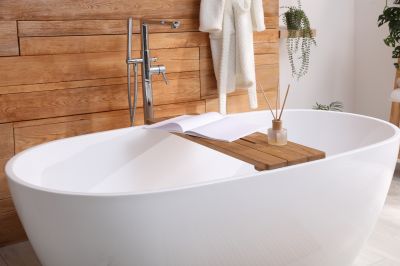 When considering products for bathtub installations, it's essential to focus on durability, compatibility, and safety features. Bathtubs and their related components come in a variety of materials, such as acrylic, porcelain-enameled steel, cast iron, and fiberglass. Each material offers different benefits, including ease of maintenance, heat retention, and aesthetic appeal. Proper installation also requires compatible fixtures, seals, and support systems to ensure longevity and safety.
Top Overall Option
Acrylic Bathtub with Integrated Support System
An acrylic bathtub with an integrated support and reinforcement system offers a combination of lightweight handling, durability, and ease of maintenance. Its smooth surface is resistant to stains and scratches, making it suitable for various bathroom styles. The design often includes pre-drilled holes for fixtures and features that facilitate straightforward installation, making it a versatile choice for many renovation projects.
Types of Products For Bathtub Installations
Acrylic Bathtubs
Lightweight and easy to clean, acrylic tubs are popular for their versatility and range of styles.
Cast Iron Bathtubs
Known for their durability and heat retention, cast iron tubs provide a classic look and long-lasting performance.
Fiberglass Bathtubs
Cost-effective and easy to install, fiberglass tubs are suitable for quick upgrades and renovations.
Porcelain-Enameled Steel Tubs
Combining strength with a smooth, glossy finish, these tubs are a durable choice for many bathrooms.
Corner Bathtubs
Designed to fit into corner spaces, these tubs maximize bathroom layout efficiency.
Freestanding Bathtubs
Offering a stylish focal point, freestanding tubs can be placed anywhere with proper plumbing access.
Drop-In Bathtubs
Designed to be installed within a constructed deck or surround, these tubs offer a seamless look.
Alcove Bathtubs
Fitted into three walls, alcove tubs are common in standard bathroom layouts.
Whirlpool and Jetted Tubs
Equipped with jets, these tubs provide hydrotherapy features for relaxation.
Walk-In Bathtubs
Designed for accessibility, these tubs feature low thresholds for easy entry.
Clawfoot Tubs
Vintage-style tubs with distinctive feet, ideal for classic or retro bathroom designs.
Soaking Tubs
Deep and spacious, soaking tubs are intended for relaxation and comfort.
Vessel Bathtubs
Mounted on the floor, vessel tubs serve as a statement piece with a modern aesthetic.
Inset Tubs
Built into a surround or platform, inset tubs integrate seamlessly into bathroom designs.
Spa Tubs
Designed for luxury, spa tubs often include features like multiple jets and heating elements.
Compact Tubs
Ideal for small bathrooms, these tubs maximize functionality in limited space.
Multi-Functional Tubs
Offering features like integrated seating or storage, these tubs combine multiple functions.
Popular Choices
Widely favored for their lightweight nature and variety of styles, acrylic tubs are common in many renovation projects.
Known for durability and classic appeal, cast iron tubs remain a popular choice for traditional bathrooms.
Affordable and easy to install, fiberglass tubs are frequently selected for quick upgrades.
Perfect for maximizing space, corner tubs are trending in modern small bathroom designs.
Their aesthetic flexibility makes freestanding tubs a popular feature in contemporary bathrooms.
Offering a sleek, integrated look, drop-in tubs are favored in custom bathroom setups.
Standard in many homes, alcove tubs are popular for their practicality and space efficiency.
Hydrotherapy features make whirlpool tubs a trending choice for relaxation-focused bathrooms.
Modern and distinctive, vessel tubs are increasingly seen as statement pieces.
Designed for accessibility, walk-in tubs are gaining popularity among users seeking safety features.
Retro and stylish, clawfoot tubs continue to be a favorite for vintage-inspired bathroom designs.
Deep and comfortable, soaking tubs are popular for creating a spa-like experience at home.
Luxury features and multiple jets make spa tubs a trending option for indulgent baths.
Ideal for small spaces, compact tubs are frequently chosen for maximizing functionality.
The process of installing a bathtub involves selecting the right size and style to match the bathroom layout and design preferences. It is important to evaluate the plumbing connections, drainage systems, and support structures to prevent issues like leaks or instability over time. Many modern products include features that simplify installation, such as pre-drilled holes for fixtures or adjustable supports.
Safety considerations are paramount, especially if the bathtub will be used by individuals with mobility challenges. Options such as grab bars, non-slip surfaces, and easy-access designs can enhance safety and usability. Additionally, choosing products with proper insulation and sealing helps maintain water temperature and prevent damage to surrounding areas.
Overall, investing in quality components and understanding the specific requirements of your bathroom space can contribute to a successful bathtub installation. Whether upgrading an existing setup or installing a new fixture, careful selection and professional assistance can help achieve a functional and aesthetically pleasing outcome.
Key Buying Considerations
- Size and dimensions of the bathtub to fit available space
- Material durability and ease of maintenance
- Compatibility with existing plumbing and drainage systems
- Installation type (drop-in, alcove, freestanding, corner, etc.)
- Weight of the bathtub and support requirements
- Safety features such as non-slip surfaces and grab bars
- Insulation properties to maintain water temperature
- Aesthetic style and how it complements bathroom decor
- Additional features like jets, built-in seats, or storage options
- Ease of access for users with mobility considerations
- Cost and budget constraints
- Warranty and manufacturer support
- Availability of replacement parts and accessories
- Energy efficiency of heating and jet systems
- Compliance with local building codes and standards